Social Icons

 photo twitter white_zpsyuexpyjv.png  photo instagram white_zpssv8ut7xs.png  photo facebook white_zpsrgroq1hf.png

Sunday, April 3, 2016

5 Major Cues For An Explosive Deadlift

5 Major Cues For An Explosive Deadlift


This isn't your typical deadlift article. We're cutting straight to the meat and potatoes in this one. Read through these tips, begin implementing them and watch the gainzzz roll in.


Stand with the bar cutting your foot in half

The fastest way from point A to point B is a straight line, correct? This concept applies perfectly to weight lifting, especially if you’re tryna lift a shit ton of weight.
Stand close to the bar, but far enough that your shins aren’t touching it. You’ll want it to be right about where the tops of your shoelaces are at, so when you go to pull you don’t have to pull the bar over and around your knees.
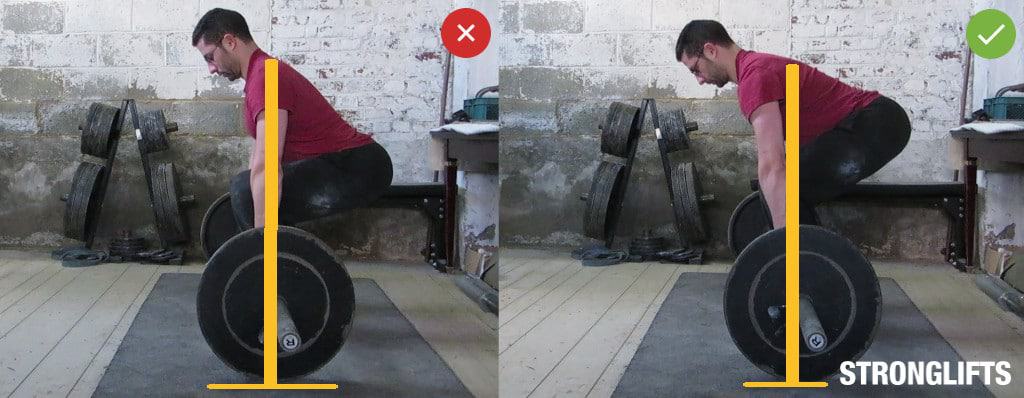


Push the hips back, not down

DEADLIFTS AREN’T SQUATS. This one speaks for itself. Deadlifts aren’t squats, meaning, you’re not squatting down with your hips parallel to the ground to get the weight up. Deadlifts are a hinge pattern. Ideally, you’d want to create something like a > shape with your shoulders, hips, and knees. Try to have your hips start in the same position you want them to finish.
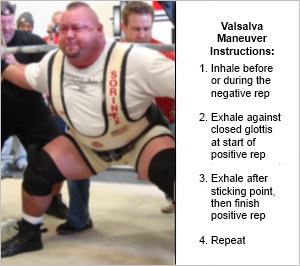


Learn how to brace

I don’t mean squeeze your abs. I mean BRACE. HARD. Take a deep breath in through your mouth (not a goldfish breath), and hold it in your stomach. Brace as hard as you can, like your Instagram fitspo crush is working out right behind you and you really have to fart. This is called a Valsalva. Learn it, use it, love it.


Learn How/Where to Grip

Gripping the bar too deep in your palm is probably the most common technique mistake I see in the gym everyday. This increases the range of motion of the lift, making it more difficult than it needs to be. Instead, try gripping the bar at the top of your palm, where your fingers and hand meet. That will shorten the range of motion while allowing you to take advantage of the strongest possible grip.


SPEED

STOP spending 5 minutes setting up. Jesus Christ. Muscles have this thing called a Stretch Shortening Cycle, kinda like a rubber band. The longer you remain in a stretched position, (i.e. the bottom of a deadlift) the slower you’ll be off the ground. Practice pulling yourself into the correct position and pulling FAST. The faster you can get it off the ground, the easier it’ll be to lock it out. Up top is my friend, fellow lifter of heavy things, and world record holder Jordan Syatt setting up for a freaky fast deadlift. I'd recommend performing speed deadlifts at least once a week, ideally as a warmup/primer work before your heavy pulls. Try for 6-10 sets of 3-6 reps with light weight (50-65%). This type of setup takes YEARS to perfect though, so get to work!


Did this article help you out? Did it make you snap your shit up? Feel free to comment or share and let me know!

If you want to get jacked and learn how you too can deadlift 3-4x your bodyweight, send me an email!

Saturday, March 26, 2016

Protein - How Much do You Really Need?

How Much is Too Much?


To the guys reading this, you're probably consuming too much of it. To the females reading this(based on my experiences training females), you're probably not eating enough.

For the bros:

We've (men) all gone through this phase once we started lifting:
"Bro I gotta get my protein in bro.
I gotta get that post workout shake bro. My anabolic windows closing bro. I already had 3 chicken breasts, some tuna, egg whites this morning, and a pre-workout protein shake, so I have like 2 more shakes to go."

It seems like every time you open up a magazine or walk into a supplement store, there's someone or ad trying to sell you some overpriced protein that's magically gonna get you jacked in 2 weeks. That's not without reason. People have been regurgitating the minimum of 1g/lb of bodyweight intake for decades now. Some even closer to 1.5-2g/lb of bodyweight if you look at pro bodybuilders.

But why?

Well, protein is an essential macronutrient. Super essential. Aside from building and maintaining muscle, it's used in many enzymatic functions within the body. It's no surprise every bro you meet thinks everything they eat needs to contain protein.

But is 1-2g/lb of bodyweight REALLY necessary to get jacked? Not necessarily.

Recent research (http://bayesianbodybuilding.com/eric-helms-protein/) has indicated that anywhere between .8g-1.2g/lb of bodyweight is more than enough even for the most active individuals.

What does this mean for you?

It means its time to carb up, bro. Or use fats, whatever.
Instead of feeling bloated and gassy all day eating copious amounts of whey, replace some of those shakes or meals with carbs and fats.
You'll feel stronger, and more energetic during your workouts. That, in and of itself will lead to more muscle gain in the long run.

For the ladies:

EAT MORE PROTEIN.

Over the last couple of years, I've noticed that most of the females I've spoken to and trained had similar eating habits.

They'll say they "eat pretty healthily", consuming generous amounts of fruits, yogurts, granola, oatmeal, and other carb dense foods. Their diet consists of small amounts of protein, mostly trace amounts from sources like dairy or grains.

Now, that's not to say these foods are 'bad' or detrimental to your goals. In fact, they're great additions to any diet. But, too much of anything is bad for you.
The problem arises when a woman (possibly you reading this) is trying to lose weight/body fat and is eating 30-40g of protein a day, vs. 200g+ of carbs a day.

This type of diet is NOT conducive to building your dream body, period.

Why? Well because protein and carbohydrates are metabolized differently within the body. They have different functions and need to be eaten in different amounts depending on your current goal.

Of course, general recommendations vary, and everyone's goals are different, so please take everything you read (my stuff included) in context and draw your own conclusions based on your current situation.

If the optimal amount of protein intake for most individuals falls between .8-1.2g/lb of bodyweight, what does that mean for you?

Well, for starters, start monitoring how much protein your favorite foods contain. Aim for most of your meals to contain 20-30g of protein, spread throughout the day. This will keep you feeling full throughout the day, as protein is typically more satiating than carbs or fats. Of course, this means substituting some carb sources for a protein source, or simply adding them if you're constantly under-eating.
If this sounds crazy, then consider investing in a whey protein supplement and drinking that once or twice a day, depending on your diet and protein needs.

Like this article? Hate it? Leave a comment and let me know what you think!
Feel free to message me with any questions!
 

Search This Blog

 
Blogger Templates